Winter Rodent Control: Keeping Rats and Mice Out
Table of Contents
No anchors found on page.
12 Jan 2026
5min
As temperatures drop between January and March, many UK homeowners notice an unwelcome increase in rats and mice indoors. Winter drives rodents to seek warmth, food and shelter and homes and commercial buildings provide the perfect conditions. Understanding why this surge happens and how to prevent it is the first step to protecting your property and avoiding costly damage.
This guide explains what attracts rodents in winter, what practical steps you can take yourself and when professional pest control becomes the safest and most effective option.
Why rodents are more active in winter
Rodents do not hibernate. When outdoor food sources disappear and cold weather sets in, they move closer to buildings.
Key winter drivers include:
Reduced natural food sources outdoors
Cold temperatures pushing rodents to seek warmth
Increased shelter opportunities in lofts walls and outbuildings
Quiet winter periods in commercial sites allowing infestations to grow unnoticed
Once inside, rats and mice can cause structural damage contaminate food and pose health risks.
Common signs of a winter rodent problem
Early detection is critical. Look out for:
Droppings in kitchens cupboards garages or lofts
Scratching or gnawing noises at night
Grease marks along skirting boards or walls
Chewed packaging wiring or insulation
Unusual pet behaviour such as barking or pawing at walls
Ignoring these signs often allows the problem to escalate quickly during winter months.
How rodents are getting into your property
Rodents only need very small access points.
Typical winter entry routes include:
Gaps under doors and around window frames
Cracked brickwork or damaged air vents
Pipe entry points and drainage connections
Broken roof tiles or fascia boards
Poorly sealed garages sheds and extensions
Mice can squeeze through gaps as small as 6mm. Rats need slightly more space but are excellent climbers and diggers.
Practical steps homeowners can take
Seal entry points
Inspect the exterior of your property thoroughly.
Seal gaps with metal mesh cement or rodent resistant sealant
Fit bristle strips to doors
Repair damaged vents and install vent covers
Manage food sources
Rodents are opportunistic feeders.
Store food in sealed containers
Avoid leaving pet food out overnight
Clean up crumbs and spills promptly
Secure bins with tight fitting lids
Tidy outdoor spaces
Gardens can attract rodents in winter.
Clear fallen fruit and bird seed
Keep compost bins secure
Move firewood and clutter away from walls
Trim back vegetation touching buildings
Reduce shelter opportunities
Declutter lofts garages and sheds
Store items off the floor where possible
Check insulation for signs of nesting
These steps can significantly reduce the likelihood of rodents entering but they may not be enough if an infestation is already established.
When DIY methods stop working
Shop bought traps and poisons often provide limited results and can introduce new risks.
Common issues include:
Rodents avoiding traps after poor placement
Incomplete control allowing populations to rebound
Incorrect bait use increasing risk to pets and wildlife
Failure to identify nesting areas or access routes
If you continue to see signs after taking preventative measures professional intervention is strongly recommended.
UK regulations explained
Rodent control in the UK is subject to strict regulations designed to protect people wildlife and the environment.
From January 2026 new rules require certification to purchase and use professional strength rodenticides. This means:
Homeowners can only buy lower strength consumer products
Professional pest controllers must demonstrate recognised competence
Responsible use and proofing are prioritised over repeated baiting
This shift reinforces the importance of prevention and professional assessment rather than reliance on poisons alone.
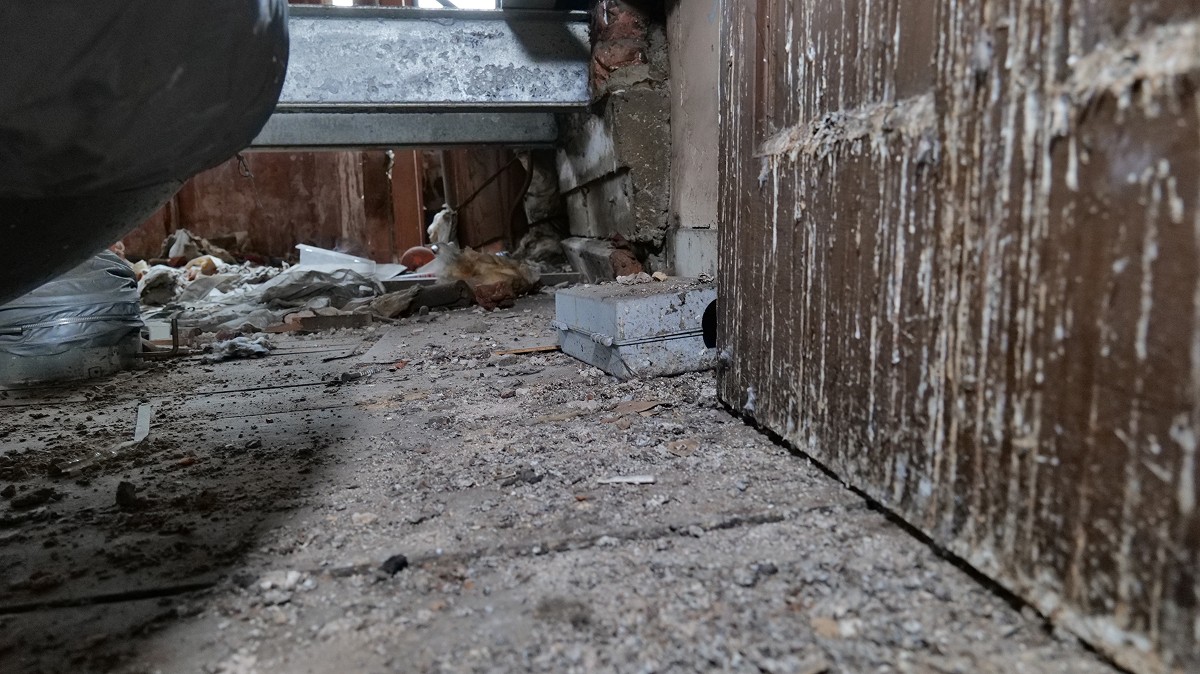
Why professional winter rodent control is safer and more effective
A professional pest control service provides:
Full inspection to identify entry points nesting sites and species
Targeted treatment plans based on property type and risk
Compliance with UK safety and environmental regulations
Long term prevention advice to stop repeat infestations
For landlords and businesses professional control also helps meet duty of care and health and safety obligations.
Winter rodent risks for businesses and landlords
Commercial properties face additional challenges during winter.
Empty units provide undisturbed nesting spaces
Stock and equipment are vulnerable to contamination
Infestations can breach hygiene standards and contracts
Early intervention protects reputations and prevents disruption when operations resume fully.
Why timing matters between January and March
Acting early in winter prevents:
Breeding cycles starting indoors
Damage to wiring insulation and pipework
Larger infestations that are harder to control in spring
Addressing the problem now reduces risk and cost later in the year.
Final thoughts
Rodents are a predictable winter problem in the UK but they are not unavoidable. Simple preventative measures can reduce risk but once rodents establish themselves professional help is often the safest and most effective route.
If you are concerned about rats or mice this winter or want peace of mind that your property is protected expert advice can make all the difference.
To discuss winter rodent control or arrange an inspection contact Better Than The Pest for practical professional support tailored to your property.